Fueling Tomorrow with Low‑Carbon Bio‑Diesel
At our new Mexico City headquarters and 300‑hectare facility, we are transforming waste oils and animal fats into clean energy. Using state‑of‑the‑art pretreatment and transesterification technologies, we produce 300 000 tonnes of bio‑diesel per year and support more than 1 000 local jobs.
A Complete Bio‑Diesel Ecosystem
Our Mexico bio‑diesel platform integrates the entire value chain—from feedstock sourcing to fuel distribution—to ensure efficiency, quality and sustainability.
Circular Feedstock Sourcing
Our Mexico bio‑diesel plant anchors a wider international network.
Global Operations
The 300‑hectare campus includes pretreatment, transesterification, glycerin refining and value‑added product lines. Our commercial offices in Mexico City, the U.S. and Europe support trading, logistics and export.
Community & Workforce
With ~1 000 direct jobs and partnerships with local universities, we’re creating skilled employment and training the next generation of engineers and operators.
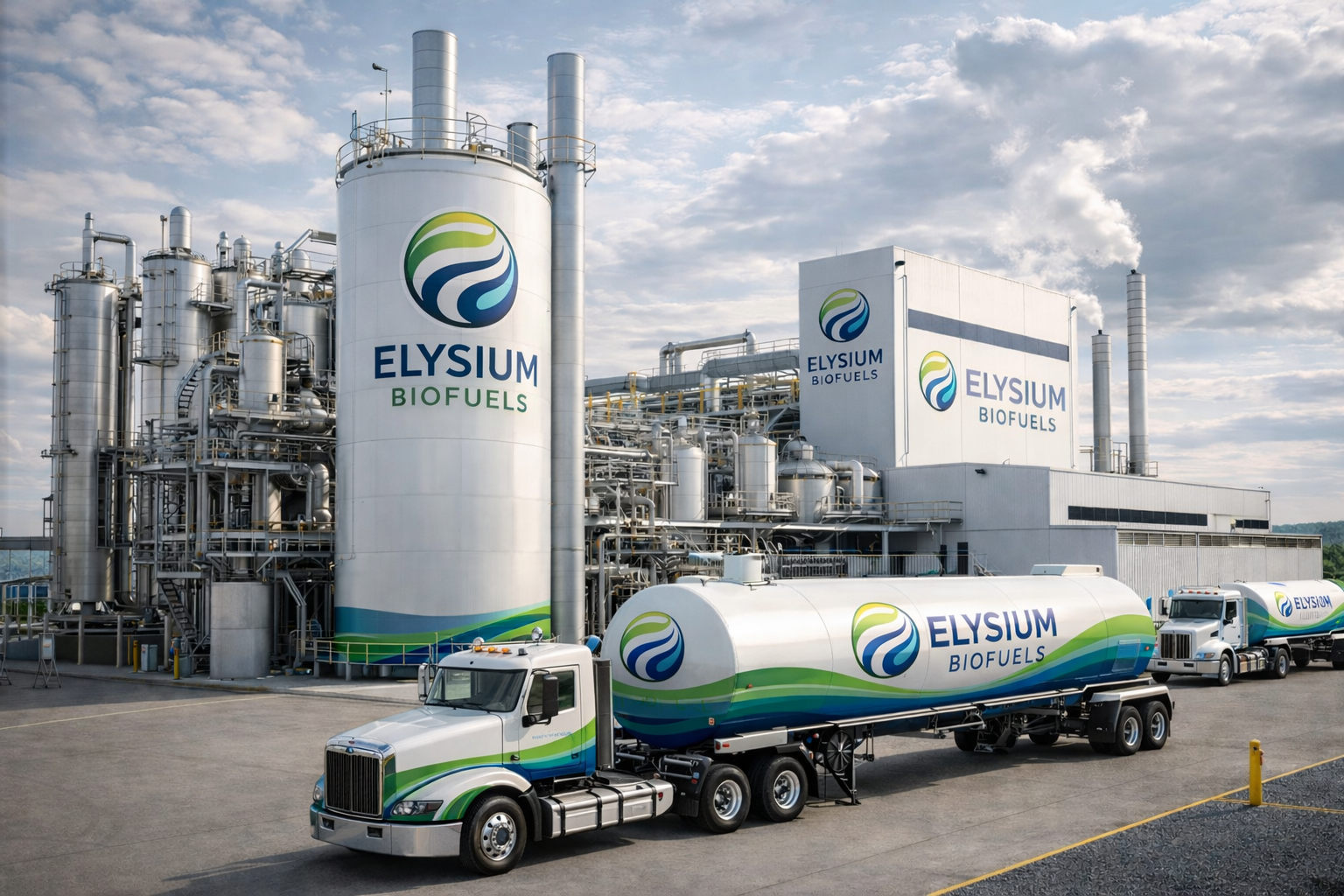
Engineering Excellence in Feedstock Processing
Our process trains combine robust pre‑treatment with continuous transesterification to maximize yields and minimize waste.
High‑FFA Pretreatment
Feedstocks with high free‑fatty‑acid (FFA) content (e.g., UCO and animal fats) require acid or alkali neutralization to remove FFAs and prevent soap formation. Our pretreatment lines feature acid degumming, neutralization and steam stripping, ensuring FFA levels <1 % before transesterification.
Transesterification & Methanol Recovery
Continuous reactors convert triglycerides to fatty‑acid methyl esters (FAME) with >96 % yield. Integrated methanol recovery systems reduce consumption and lower operating costs
Byproducts & Value‑Add
We refine crude glycerin into USP‑grade glycerin and produce oleochemical intermediates. Residual soaps and esters are upgraded to biogas or specialty products.
From Feedstock to Fuel — Operational Excellence
Our plant is designed for efficiency, safety and scalability.
Production Hub
A 90‑hectare core processing zone produces 300 000 tonnes of bio‑diesel annually. Modular trains allow future expansion.
Logistics & Supply Chain
Dedicated tank farms hold UCO and tallow; a one‑way truck flow supports ~40 inbound and ~30 outbound tanker movements per day. Rail access will enable efficient export.
Storage & Export Terminals
Finished fuel and co‑products are stored in blended tanks with nitrogen blanketing, then dispatched to domestic markets or exported to the U.S. and Europe.
Empowering the Next Generation of Sustainable Engineers
Our onsite Bio‑Diesel Institute offers accredited training for operators, technicians and engineers. Programs range from entry‑level courses to advanced modules on process control, environmental compliance and safety. We partner with local universities to provide internships and sponsor scholarships.

Sustainable Aviation Fuel (SAF) & Renewable Diesel (HVO)
We are researching hydrotreated vegetable oil (HVO) and sustainable aviation fuel technologies. With about 45 million tonnes of vegetable oils and animal fats used globally for FAME and HVO each year—5–6 million tonnes from waste streams—our plant is positioned to tap future markets.
Waste‑to‑Energy & Circular Systems
By diverting biogas from wastewater treatment and soapstock, we power our operations and reduce external energy demand.
Collaborative R&D
Partnerships with technology providers and universities focus on catalyst development, carbon‑intensity reduction and next‑generation pretreatment.
World‑Class Plant Operations & Safety

We maintain the highest standards of reliability and compliance.

Preventive & Predictive Maintenance
Certified technicians follow international standards for airframe‑level inspections, rotating equipment maintenance and instrumentation calibration.
Component Inspection & Monitoring
Digital tracking systems monitor pumps, valves and centrifuges, ensuring uptime and early fault detection.
Rapid Response & Emergency Preparedness
Onsite teams and remote experts respond quickly to any operational issue, ensuring continuous production.
Inspiring Future Innovators Community & Youth Programs
Through our Green Champions Program, children aged 5–17 explore renewable energy and circular economy concepts. Activities include building miniature reactors, composting and recycling projects, and visits to our plant. This hands‑on approach fosters curiosity and environmental stewardship among future leaders.
Committed to Sustainable Development
We align our operations with global sustainability goals.
01.
Emissions Reduction
Using waste oils and fats as feedstock yields an 86 % reduction in GHG emissions compared with petro‑diesel. We also use renewable energy and carbon‑capture systems on‑site.
02.
Circular Economy & Waste Reduction
Our feedstock mix diverts UCO and animal by‑products from landfill or low‑value uses. Pretreatment and refining minimize waste streams and recover co‑products.
03.
Community Impact & Education
By employing ~1 000 people and offering training, we contribute to economic development. We also invest in educational programs and local infrastructure.
Bio‑Diesel by the Numbers
Plant Capacity
0
tonnes per year
300 000 tonnes per year of biodiesel; scalable up to 400 000 tpa
Site Footprint
0
ha campus
300 ha campus in Mexico City, including production, logistics, research, HQ and future expansion
Employment
~
0
direct jobs
~1 000 direct jobs plus hundreds of indirect jobs in supply, logistics and services
Global Reach, Local Expertise
Our Mexico bio‑diesel plant anchors a wider international network.
Flagship plant and corporate headquarters; innovation hub and training center.
Offices in Houston and Los Angeles manage feedstock procurement and fuel marketing.
Partnerships with suppliers in Mexico, Brazil and Argentina secure UCO and tallow.
Scouting opportunities for SAF and renewable diesel supply to growing economies.